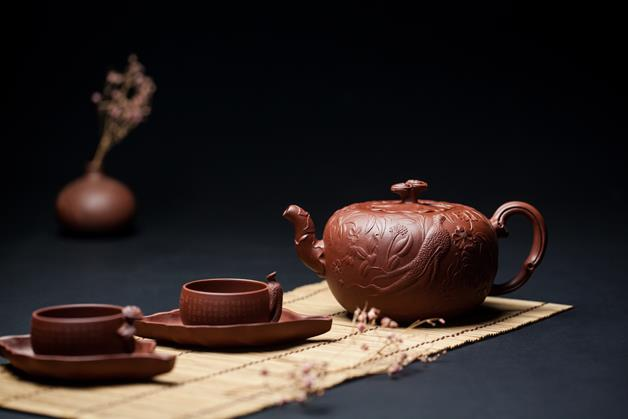
Purple Clay Pottery
Introduction
Purple Clay Pottery is a traditional form of ceramic art that holds significant cultural value in China, particularly in regions like Jianshui in Yunnan province and Yixing in Jiangsu province. This kind of pottery is known for its distinctive material and extensive history, which have both contributed to its status as a cultural artifact and a favorite among tea enthusiasts. Purple clay pottery, especially the teapots, is not only revered for its aesthetic appeal but also for its functionality, enhancing the flavor of tea over time.
Historical Background
The art of purple clay pottery has been practiced for centuries, with its origins dating back to the Ming Dynasty (1368-1644). Yixing, often recognized as the birthplace of this craft, has a pottery-making history spanning over 2,400 years. The production methods and styles have been passed down through generations, evolving while maintaining traditional techniques. This pottery is crafted from a unique clay that does not require glazing, allowing for the natural elegance of the clay to shine through.
The significance of purple clay pottery is highlighted by its inclusion in the first batch of national intangible cultural heritage items in 2006. This designation underscores its importance as a cultural treasure that continues to be preserved and celebrated across China.
Unique Properties and Functionality
Purple clay pottery, particularly the teapots from Yixing, is celebrated for its ability to enhance the tea drinking experience. The unique porosity of the clay allows it to absorb the flavors of tea, enriching the taste with each use. As a teapot is used repeatedly, it develops its own character, making each piece unique to its owner. This quality has made purple clay teapots a beloved choice among tea connoisseurs.
The pottery's ability to retain heat and maintain the tea's aroma and flavor for extended periods further adds to its functionality. The natural properties of the clay ensure that the tea's color, taste and scent are preserved, drawing tea enthusiasts to this art form.
Modern Preservation
In recent years, there has been a concerted effort to preserve and revitalize the craft of purple clay pottery. The historic Gunan Street in Yixing, once a bustling hub for zisha pottery production, has undergone extensive restorations to maintain its cultural heritage. Efforts spearheaded by the local government have turned the area into a vibrant community, encouraging the practice of traditional pottery techniques while attracting a new generation of craftsmen.
Exhibitions and cultural events have also played a significant role in promoting purple clay pottery. For instance, the Yunnan Provincial Museum has showcased Jianshui purple pottery, presenting its rich history and cultural relevance. Such exhibitions not only celebrate the craft but also educate the public about its historical significance and artistic value.
Prominent Artisans
The legacy of purple clay pottery is carried forward by skilled artisans who have dedicated their lives to mastering this craft. Renowned artists like Gu Shaopei and Fan Weiqun in Jiangsu province have been recognized as national intangible cultural heritage inheritors for their contributions to purple clay pottery. These artisans have not only excelled in their craft but have also trained numerous individuals, ensuring that the tradition continues to thrive.








